Egg Limits & Dairy Pricing: Reading Australian Carton Labels
Stocking-density labels and private-label milk contracts explain why identical-looking cartons vary by A$3.50 per dozen across supermarkets.
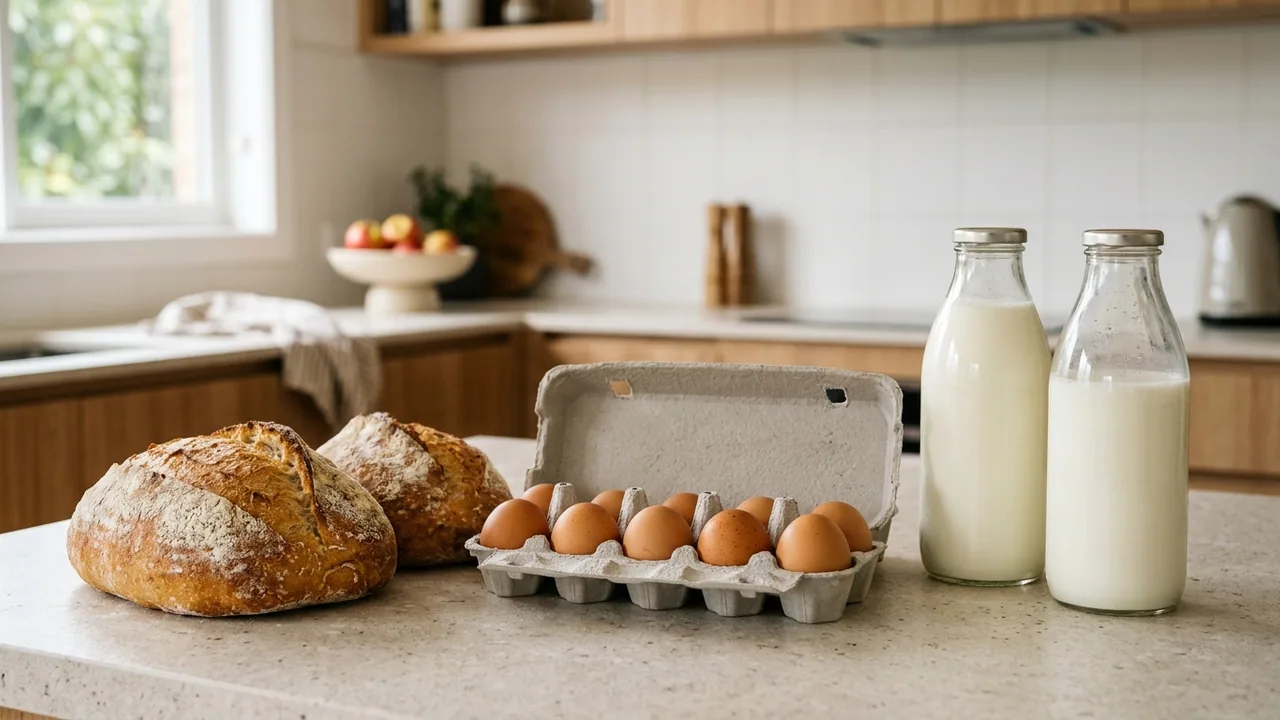
- Australian Consumer Law requires free-range egg cartons to clearly display hen stocking density (hens per hectare), capped at 10,000 hens/ha.
- Net carton weight (600g vs. 700g vs. 800g) changes true per-100g egg cost by up to 28% between brands priced similarly.
- Store-brand 2L and 3L fresh milk bottles come from the same regional Australian dairy processors as higher-priced branded bottles.
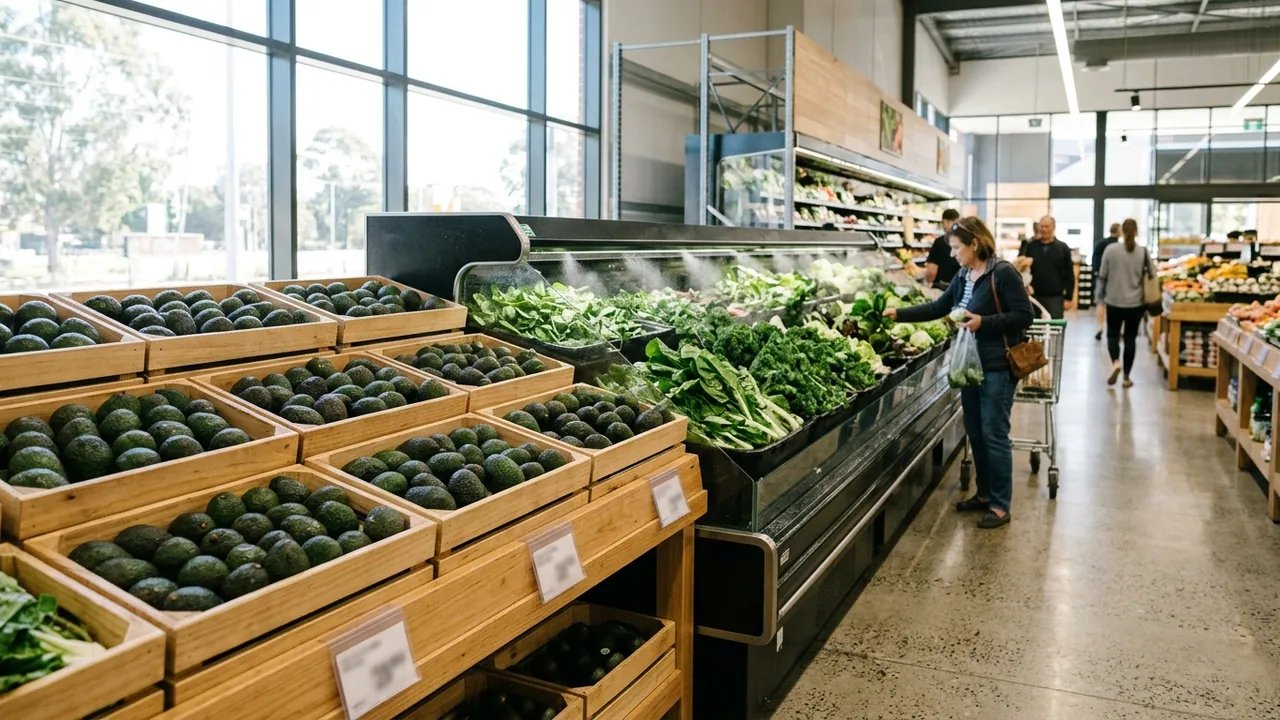
Egg aisles and chilled dairy fridges have become two of the most confusing sections in Australian supermarkets. Following periodic regional biosecurity disruptions and variable poultry supply, shoppers increasingly face two-carton purchase limits alongside wide price gaps between home-brand and specialty cartons.
Weight Grading Matters More Than "Large" or "Jumbo" Marketing
Because adjectives like "Extra Large" vary slightly across marketing lines, Australian shoppers get an immediate accuracy edge by looking strictly at the mandatory minimum net weight in grams printed on the lid (typically 600g, 700g, or 800g for a dozen). On a per-100g basis, standard 700g cartons routinely beat both smaller 600g packs and premium-priced 800g jumbo cartons.
Cutting Bakery & Dairy Waste at Home
Slicing crusty bakery sourdough on the day of purchase and freezing half immediately prevents stale-loaf waste—while buying 2L or 3L store-brand milk jugs instead of 1L cartons drops annual household dairy outlay by 20% to 30% with identical Australian farm-gate pasteurisation standards.
Australian 12-Pack Egg Carton Unit-Weight Comparison
| Carton Class | Min Net Weight | Typical Shelf Price | Cost per 100g |
|---|---|---|---|
| 600g Medium / Large (12 pk) | 600 g | A$5.90 | A$0.98 / 100g |
| 700g Extra Large (12 pk) | 700 g | A$6.40 | A$0.91 / 100g |
| 800g Jumbo (12 pk) | 800 g | A$7.60 | A$0.95 / 100g |
What Australian Shoppers Should Do Now
- Always inspect the per-100g unit price beneath the egg shelf—700g cartons frequently deliver better protein value than 600g or 800g packs.
- Check the stocking density print (e.g., 1,500 vs. 10,000 hens/ha) if outdoor pasture quality drives your purchasing decision.
- Store eggs in their original cardboard carton on a middle fridge shelf rather than the warmer fridge door to extend freshness by over a week.
Primary Sources & Official Notices
Weekly Consumer & Recall Digest
Receive verified FSANZ recall alerts and supermarket policy briefings directly by email. Zero spam, unsubscribe anytime.