How to Verify FSANZ Chilled Food & Allergen Recalls Before Consuming
Undeclared allergens and cold-chain contamination remain the two most frequent triggers for national supermarket recalls across NSW, VIC, QLD, and WA.
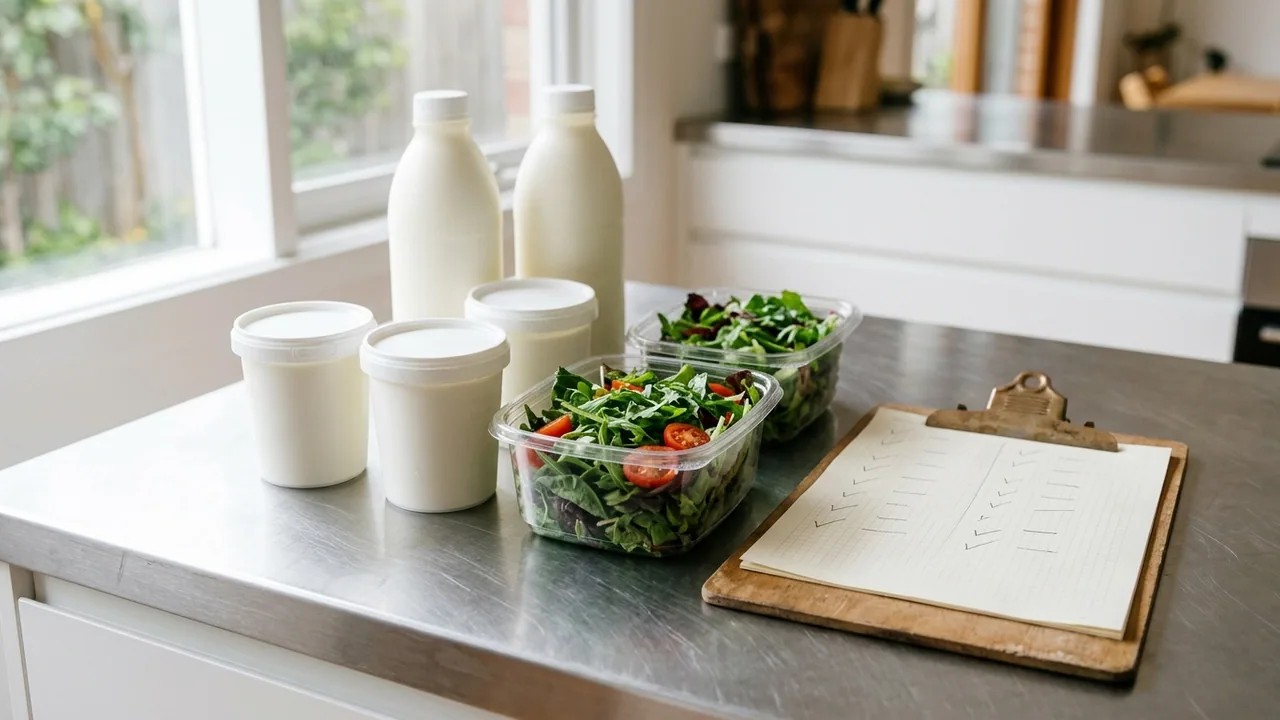
- Food Standards Australia New Zealand (FSANZ) classifies undeclared allergens (milk, peanut, sesame, gluten) and microbial risks as leading recall triggers.
- Consumers affected by a recall are entitled to a full cash or card refund at the point of purchase—even without a paper receipt.
- Always verify the exact Date Marking ("Best Before" or "Use By") and state distribution list, as recalls often apply to specific packing facilities.
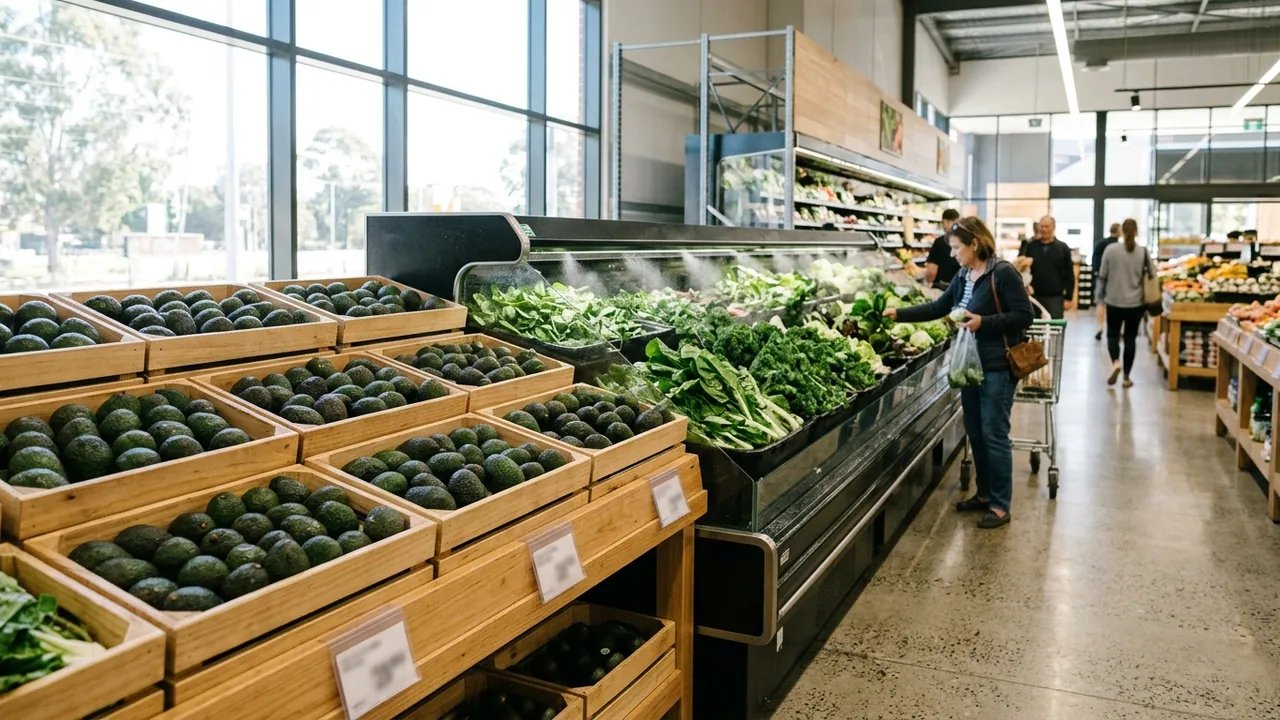
Warmer Australian spring and early-summer temperatures place additional strain on refrigerated food supply chains—and increase the volume of pre-packed salads, dips, dairy products, and bakery goods circulating through major supermarkets and independent grocers. Knowing how to read an official Food Standards Australia New Zealand (FSANZ) notice quickly prevents both unnecessary food waste and avoidable health risks.
Why State-by-State Distribution Details Matter
Many national brands manufacture chilled goods in separate state plants. A single recall notice may affect 500g tubs sold in New South Wales, ACT, and Queensland while leaving identical packaging sold in South Australia or Western Australia unaffected. Checking three details—exact pack weight, date marking, and state list—takes seconds.
Your Refund Rights Without a Receipt
One of the most common misconceptions at supermarket service desks is that shoppers need an original paper receipt or Flybuys/Everyday Rewards scan to claim a recall refund. Under Australian Consumer Law and standard supermarket recall protocols, bringing the recalled product—or its clearly photographed batch code where disposal is advised—entitles you to a full refund of the purchase price.
Preventing Cross-Contamination in Home Fridges
When a recall involves biological hazards such as Listeria monocytogenes or Salmonella, simply throwing away the tub is only step one. Food safety officers advise removing adjacent uncovered produce, washing the crisper shelf with hot detergent water, and drying it thoroughly with clean paper towel before restocking.
FSANZ Consumer Recall Categories & Refund Rights
| Recall Trigger | Typical Risk Level | Store Return Rule | Safe Handling |
|---|---|---|---|
| Undeclared Allergen | High for allergic consumers | Full refund, no receipt required | Return sealed or opened pack |
| Microbial (Listeria / Salmonella) | High (especially pregnant/elderly) | Full refund at service desk | Do not taste; clean fridge shelf |
| Foreign Matter (Glass/Plastic) | Physical injury risk | Full refund or replacement | Keep batch code photo for claim |
| Labelling / Date Error | Low to Moderate | Full refund upon request | Check official FSANZ batch PDF |
What Australian Shoppers Should Do Now
- Bookmark the official FSANZ Food Recalls registry rather than relying on delayed social media screenshots.
- Snap a photo of the barcode and printed batch/Use-By code before returning or disposing of affected chilled food.
- If a high-risk microbial recall affects ready-to-eat salads or soft cheeses, wipe the fridge drawer with warm soapy water and sanitiser.
- Under Australian Consumer Law, supermarkets cannot insist on store credit instead of a refund for a recalled product.
Primary Sources & Official Notices
Weekly Consumer & Recall Digest
Receive verified FSANZ recall alerts and supermarket policy briefings directly by email. Zero spam, unsubscribe anytime.