Five Pantry Swaps Saving Australian Families Over A$1,200 a Year
Analysing 12 months of supermarket shelf audits shows targeted staple substitutions deliver bigger relief than chasing weekly discount apps.
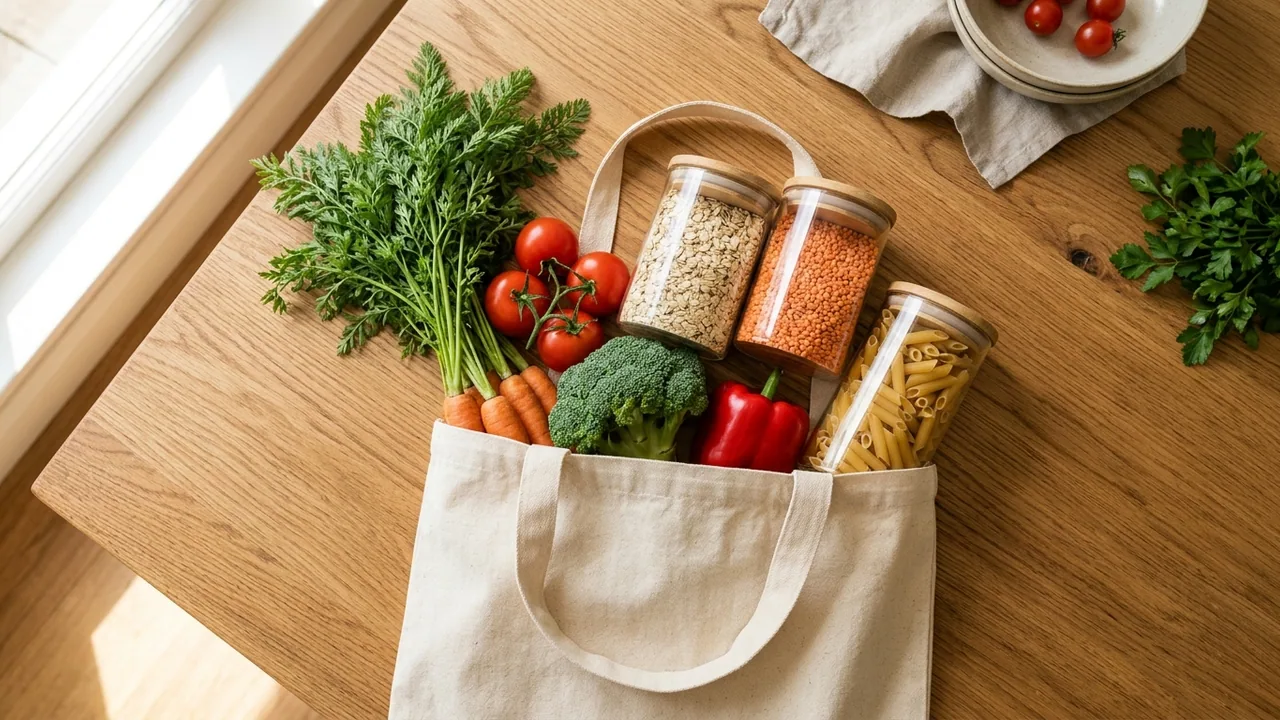
- Roughly 15 repeat grocery items account for over half of the average Australian family’s annual supermarket outlay.
- Frozen vegetables, dried legumes, whole-block dairy, and private-label staples hold identical nutritional profiles at 25%–45% lower unit cost.
- Reducing fresh-food fridge waste from 18% down to 5% saves an extra A$35–A$50 every fortnight.
Trying to save money across 80 different supermarket lines every week quickly causes decision fatigue. Household budget studies consistently show a simpler path works far better: lock in permanent, painless unit-price swaps on the 15 repeat staples your kitchen buys 40 to 52 times a year.
Why Convenience Packaging Quietly Inflates Bills
Pre-grated cheese, pre-chopped salad kits, individually wrapped lunchbox snacks, and single-serve yoghurt pouches carry convenience markups ranging from 35% to 110% per kilogram. Spending ten minutes on Sunday slicing block cheese and portioning family-size tubs into reusable containers recovers over A$600 a year for a four-person household.
Snap-Frozen Produce Beats Wilted Crisper Waste
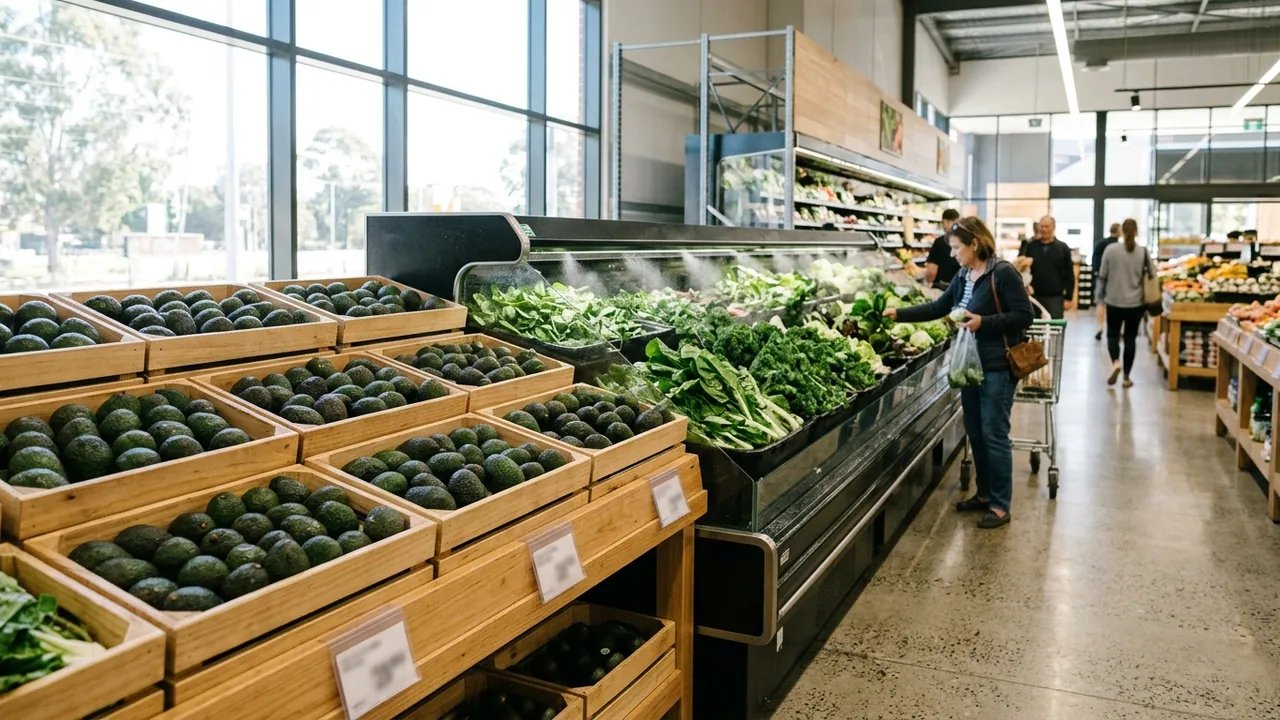
Australian households discard roughly one in five bags of fresh vegetables bought on impulse. Keeping snap-frozen peas, broccoli florets, spinach, and berries in the freezer locks in peak-season harvest nutrition, avoids off-season price spikes, and drops fridge spoilage close to zero.
Using the Two-Tier Pantry Rule for Half-Price Specials
Supermarket promotional calendars rotate major brands of olive oil, dishwashing tablets, laundry powder, and coffee beans to half price roughly every four to six weeks. Instead of buying full price when a bottle runs dry, keeping one backup unit in the cupboard lets households wait for the 40%–50% markdown cycle—locking in warehouse-level unit costs without driving to multiple stores.
Tracking Your Top 15 Repeat Items
Household budget audits show that roughly 15 repeat staples account for more than half of annual family supermarket spend. Writing down your personal target per-kilogram price for chicken breast, cheddar cheese, rolled oats, extra-virgin olive oil, milk, and laundry powder makes fake "Down Down" or "Everyday Low" tickets obvious immediately.
Annualized Family-of-Four Impact Across 5 High-Frequency Swaps
| Routine Swap | Est. Weekly Saving | Annual Saving (52 wks) |
|---|---|---|
| Pre-grated cheese -> 1kg block cheddar | A$4.20 | A$218 |
| Branded snack multipacks -> Bulk oats/fruit/nuts | A$7.50 | A$390 |
| Out-of-season fresh veg -> Snap-frozen staples | A$5.80 | A$302 |
| Pod coffee / RTD cans -> Ground beans / bulk | A$6.50 | A$338 |
| Name-brand cleaning sprays -> Concentrated refills | A$3.10 | A$161 |
What Australian Shoppers Should Do Now
- Audit your last three grocery receipts and circle the 10 most expensive single line items.
- Keep a running "benchmark price list" in your phone notes for chicken breast, olive oil, butter, coffee, and dish tablets.
- Do a 5-minute "fridge first" dinner inventory every Sunday afternoon before ordering groceries online.
Primary Sources & Official Notices
Weekly Consumer & Recall Digest
Receive verified FSANZ recall alerts and supermarket policy briefings directly by email. Zero spam, unsubscribe anytime.