Solar Feed-In Credits Drop: How Households Cut Summer Power Bills
With flat export credits hovering between 3c and 6c per kWh across NSW, VIC, and QLD, shifting appliance timers into midday solar hours beats chasing headline export rates.
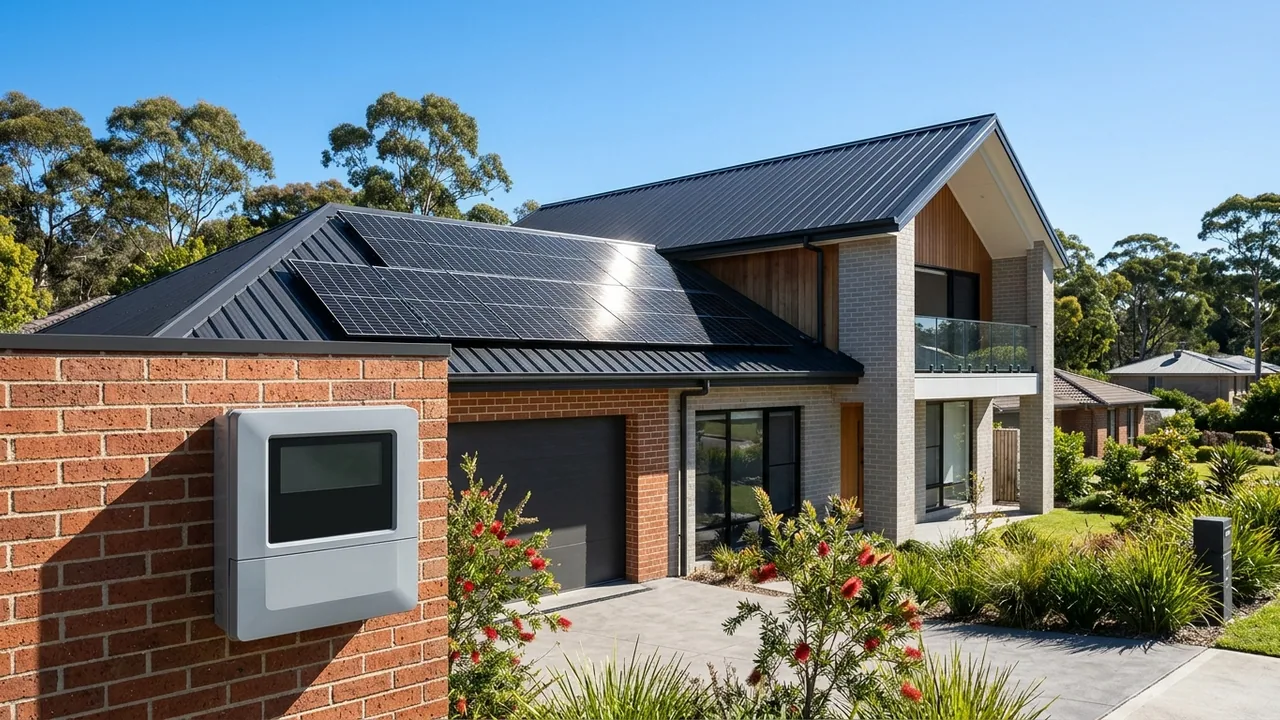
- Typical flat solar feed-in tariffs across eastern Australia sit around 3c–6c/kWh while evening retail grid imports run 29c–44c/kWh.
- Retail plans advertising "high" 10c–12c feed-in tariffs often attach inflated daily supply charges or higher peak usage rates that erase net gains.
- Running hot-water heat pumps, dishwashers, and laundry loads between 10am and 3pm yields 30c+ per kWh in avoided grid charges.
More than 3.9 million Australian rooftops now generate daytime solar power, creating an abundance of midday electricity across the National Electricity Market. For homeowners renewing electricity contracts ahead of summer air-conditioning peaks, the financial playbook has flipped completely from five years ago.
The "High Feed-In Tariff" Marketing Trap
Retailers still attract solar owners with headline 10c or 12c feed-in offers—yet fine print commonly restricts that higher credit to the first 8 to 10 kWh exported per day while charging 38c+ per kWh for evening usage and over A$1.35 per day in fixed supply fees. For most households that run air conditioning between 5pm and 9pm, a lower evening usage rate and lower daily supply charge beat a flashy feed-in tariff by A$180 to A$340 per year.
Pre-Cooling Homes Before 4pm Peak Tariffs
On 35°C summer afternoons, households on time-of-use tariffs pay maximum rates between 4pm and 9pm. Running reverse-cycle air conditioners at 23°C between 1pm and 3:45pm—powered almost entirely by free rooftop solar—then closing blinds and raising the thermostat to 25°C during peak hours slashes evening grid draw without sacrificing indoor comfort.
Checking Daily Supply Charges and Demand Windows
Many solar households focus exclusively on cents per kilowatt-hour while ignoring daily supply charges that now exceed A$1.20 to A$1.45 per day in New South Wales and South East Queensland—adding over A$480 per year before switching on a single light. Equally important, smart-meter customers on retail demand tariffs should avoid stacking ovens, induction cooktops, clothes dryers, and EV chargers simultaneously between 4pm and 8pm, as a single 30-minute spike can dictate the entire month’s demand surcharge.
How to Benchmark Your Offer in Five Minutes
Every Australian residential electricity fact sheet must publish its percentage comparison against the government Reference Price (DMO or VDO). Pulling your most recent quarterly invoice and entering your National Metering Identifier (NMI) into Energy Made Easy or Victorian Energy Compare immediately flags whether calling your existing retailer’s retention desk—or switching online—can cut A$250 to A$450 off your next four bills.
Typical Eastern Australia Residential Power Economics (Late 2026)
| State | Avg Grid Usage | Daily Supply | Typical Flat FiT | Self-Use Advantage |
|---|---|---|---|---|
| NSW | 34c / kWh | 122c / day | 4.5c / kWh | +29.5c / kWh saved |
| VIC | 29c / kWh | 115c / day | 3.3c / kWh | +25.7c / kWh saved |
| SE QLD | 33c / kWh | 128c / day | 5.0c / kWh | +28.0c / kWh saved |
| SA | 44c / kWh | 118c / day | 4.0c / kWh | +40.0c / kWh saved |
What Australian Shoppers Should Do Now
- Pull your last quarterly bill and compare the "Reference Price / DMO percentage" on Energy Made Easy (or Victorian Energy Compare).
- Set delay-start timers on dishwashers and washing machines for 11am so they draw directly from rooftop generation.
- If you have an electric storage hot-water cylinder, ask an electrician about shifting its timer from overnight off-peak to midday solar soak.
- Check whether your retailer silently moved you onto a time-of-use demand tariff after a smart meter upgrade.
Primary Sources & Official Notices
Weekly Consumer & Recall Digest
Receive verified FSANZ recall alerts and supermarket policy briefings directly by email. Zero spam, unsubscribe anytime.